Good communication is one of the foundations of a stable relationship. Improving communication doesn’t mean avoiding conflict, but learning to handle it with respect and listening.
Active listening
Active listening means being fully present while your partner speaks: putting the phone down, not interrupting, and focusing on understanding rather than preparing your reply. Reflecting back what you heard creates a sense of “I’m being seen.”
Speak in the first person
“I feel I’m not being listened to” opens a conversation. “You never listen” shuts it down.
- Speak in the first person to share a feeling without blaming (for example: “I feel overwhelmed when…”).
- Be specific about what you’re experiencing and what you need.
- Share the feeling first rather than the blame — that way the conversation stays constructive.
- Don’t assume the other person knows what you think — say it out loud.
- Focus on the current issue rather than bringing up conflicts from the past.
Speaking in the first person describes an experience instead of blaming, and reduces defensiveness in the other person.
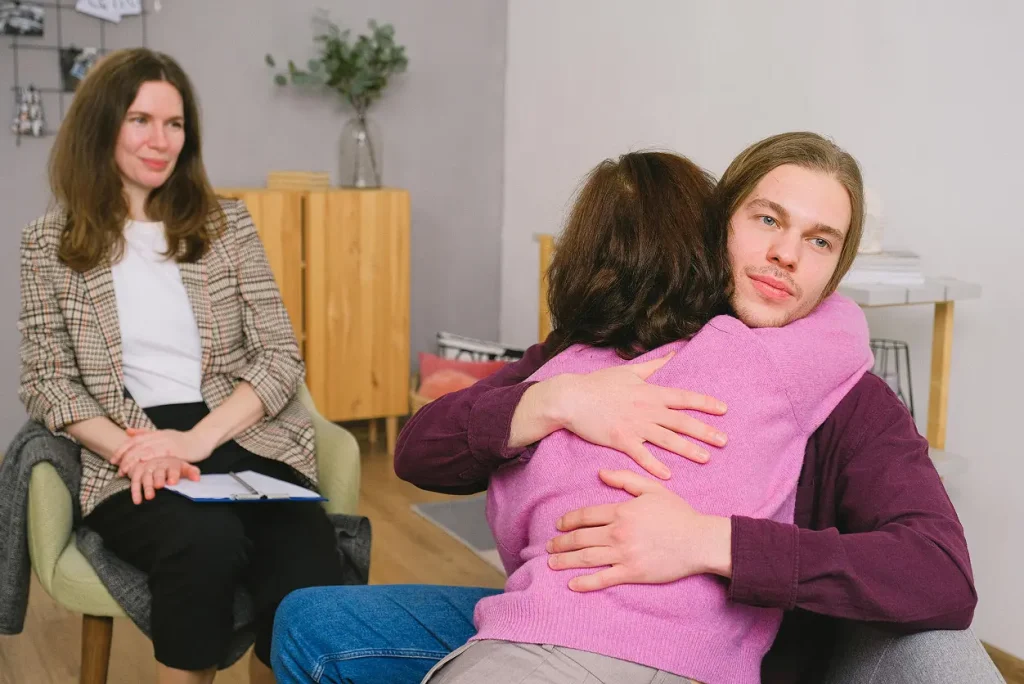
Choose the right time
Meaningful conversations don’t go well at the end of an exhausting day or in the middle of an argument. You can ask: “It’s important to me to talk about this — when would suit you?”
Handle disagreement without hurting
Disagreements are part of every relationship. The difference is between focusing on the problem and attacking the person. Avoid generalisations such as “always” and “never”.
Say thank you
Positive communication isn’t only about solving problems. Small, everyday gratitude builds a reserve of goodwill that helps in difficult times.
In summary
Improving communication takes time and practice, and happens in small steps. When conversations keep repeating and ending in the same place, couples therapy can help identify the pattern and take it apart.